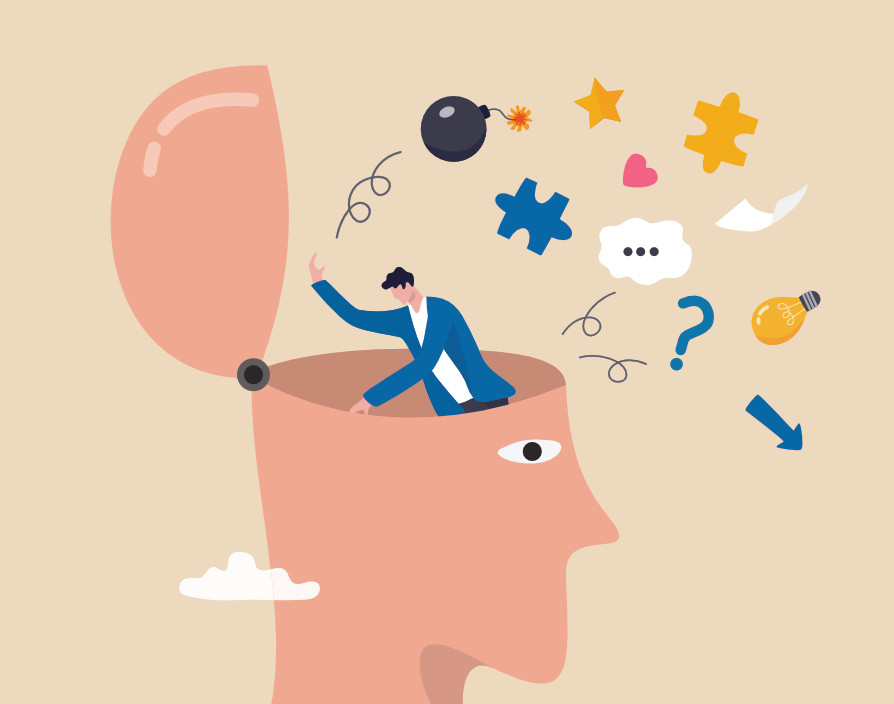
Plans are comforting because they create the illusion of control. Then life does what it always does: delays, cancellations, mixed signals, people changing their minds, situations flipping overnight. The real challenge isn’t the disruption itself. It’s the mental spiral that follows when the brain starts replaying what should have happened instead.
In those moments, distractions can be helpful in small doses, whether it’s a walk, a playlist, or even something lightweight like checking a parimatch ipl bonus as part of a broader routine. The point isn’t to escape reality. It’s to keep the mind from overheating while reality sorts itself out.
The first rule: stop arguing with the situation
A lot of stress comes from internal negotiation:
This shouldn’t be happening.
It’s unfair.
It’s ruining everything.
Maybe all of that is true. Still, arguing with reality doesn’t fix anything. It only burns energy that could be used for the next move.
A calmer mindset starts with one sentence:
This is the situation. Now what?
That doesn’t mean accepting bad outcomes passively. It means switching from emotional resistance to practical response.
Separate what can be controlled from what can’t
Classic advice, yes. Also effective.
When things go off-plan, the brain often treats everything as urgent and personal. A better approach is to split the world in two buckets.
Control bucket:
- next action
- message tone
- timing of decisions
- sleep, food, movement
- what information gets consumed
No-control bucket:
- other people’s behavior
- delays, bureaucracy, external chaos
- weather, traffic, randomness
Focusing on the control bucket restores momentum. Momentum restores mood.
Keep the mind cool with micro-structure
When plans collapse, time becomes shapeless. That’s when rumination grows. The fix is small structure, not a grand new schedule.
Micro-structure ideas:
- set a 20-minute window for problem-solving, then stop
- write a three-line plan for the next hour only
- choose one task that produces a visible result
- take a short break with a clear endpoint
Structure is not rigidity. It’s containment.
Use language that doesn’t inflame the moment
People underestimate how much inner language affects emotional intensity. “This is a disaster” hits the nervous system differently than “This is a setback.” Same situation, different pressure level.
Useful reframes:
- disaster → complication
- ruined → delayed
- failure → mismatch
- never works → not working right now
It’s not fake positivity. It’s emotional hygiene.
Avoid the two traps: catastrophizing and revenge decisions
When things go wrong, two behaviors appear fast.
Catastrophizing
Assuming the worst future is inevitable.
It creates panic and bad choices.
Revenge decisions
Making a fast, impulsive move just to feel control again.
Quitting, spending, posting, sending that message, doing something loud.
The best antidote is time. Even ten minutes can bring the nervous system down enough to choose better.
Calm is physical first, mental second
A “clear mind” is often just a regulated body.
Basic resets that work:
- drink water
- eat something normal
- move for five minutes
- reduce caffeine if already wired
- breathe slower than feels natural
It sounds too simple, but it’s effective because stress is not only a thought. It’s a state.
Use distraction like a tool, not a hiding place
Distraction gets a bad reputation, but it can be smart when used deliberately. A short, controlled distraction prevents endless rumination.
Good distraction rules:
- choose something with a clear start and end
- avoid endless scrolling
- avoid content that triggers anger or fear
- return to the next action after the break
The goal is to cool the mind, not to disappear.
Read More: Understanding Multiplier Games on Jalwa Game
The quiet skill: staying kind without becoming soft
When plans fail, people often become harsh, to themselves and to others. Harshness feels like strength, but it usually makes situations harder.
A sharper approach is calm firmness:
- communicate clearly
- set boundaries without drama
- accept delays without surrendering standards
- keep decisions grounded in reality, not emotion
This is what “cold mind” actually means. It’s not detachment. It’s precision.
When things don’t go your way, go smaller
Big plans can break. Small steps don’t.
The best way to stay positive isn’t forcing optimism. It’s maintaining forward motion, even if it’s minimal. One clear message. One solved task. One reset. One decision delayed until the mind is calmer.
That’s how a situation stops feeling like chaos and starts feeling like a problem with a shape. And once it has a shape, it can be handled.
Read more related blogs on Quotes Prince. Also join us whatsapp.